
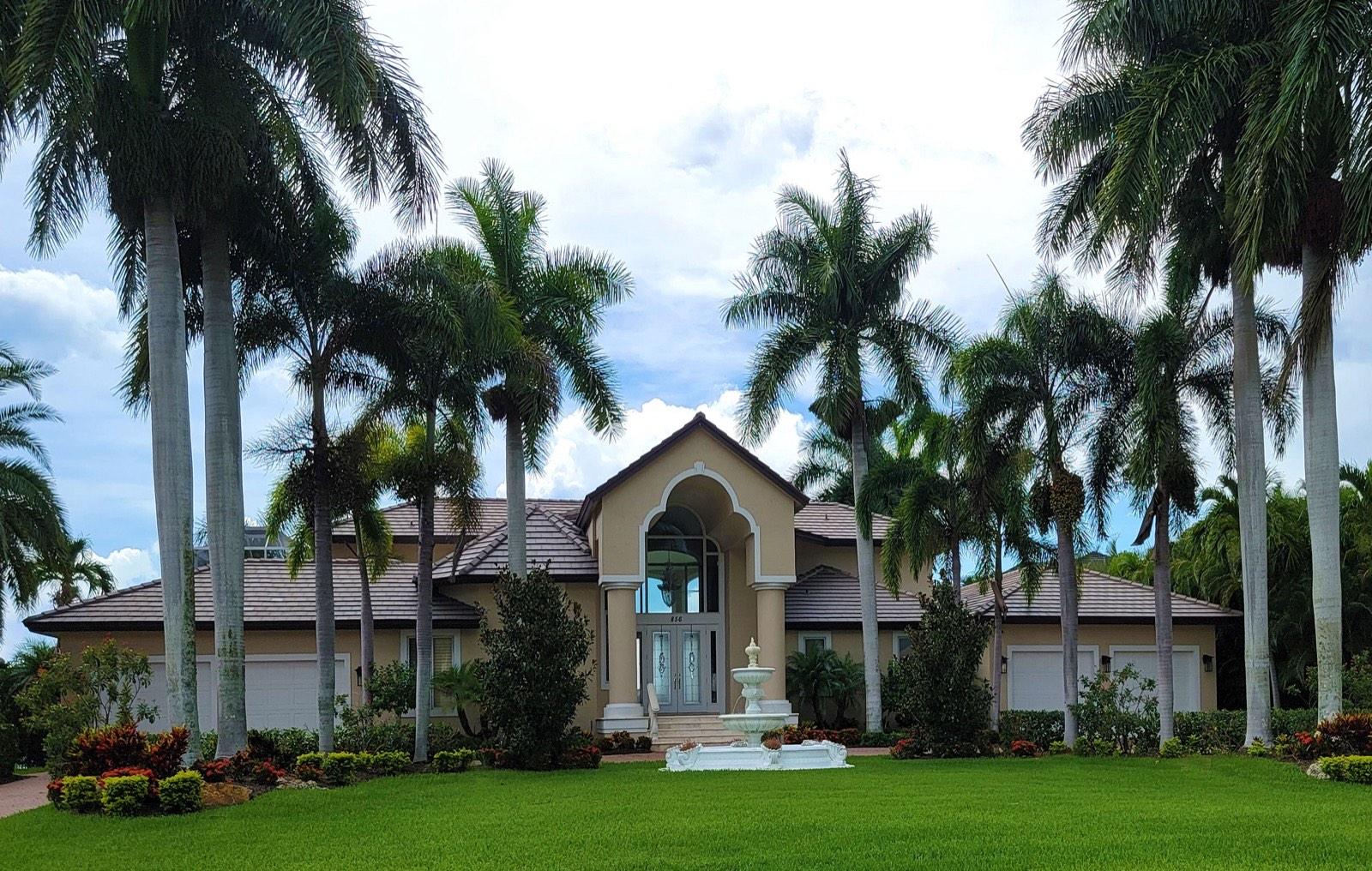
Buyer Inspections
Home Inspections in Northeast Florida
A full, non-invasive evaluation of the home's structure, roof, electrical, plumbing, HVAC, exterior, attic and interior, documented with photos in a PDF report emailed the same day or next morning. Serving St. Johns County, Duval County, Clay County, Flagler County, Volusia County, Putnam County. We email a detailed photo report.
Mon–Sat 8am–6pm · InterNACHI certified, Florida licensed and insured · 20+ years construction and renovation experience
Home Inspections covers roof, structure, electrical, plumbing, HVAC, water intrusion and every accessible system in the house. It takes two to four hours on site depending on size and age, and you receive a full photo-documented report, emailed the same day or the next morning. Typical cost is $300–$675 per inspection. It is normally ordered during the inspection period after a contract is signed.
- Typical range
- $300–$675per inspection
- Service areas
- Northeast Florida
- Category
- Buyer Inspections
What home inspections covers in Northeast Florida
A full home inspection is a visual, non-invasive evaluation of the readily accessible systems and components of a house, performed to the InterNACHI Standards of Practice. That definition matters more than most buyers realize. Readily accessible means we can observe it without removing obstacles, detaching fasteners, or doing anything unsafe. We do not open walls, lift tacked-down carpet, move a seller's stored boxes off a garage wall, or dismantle equipment. What we do is operate what is designed to be operated, look at what can be seen, and connect findings to each other. A stain on a bedroom ceiling is not a report line on its own. It becomes useful when it lines up with a nail pop in the roof deck above it and elevated moisture readings at the drywall.
The inspection covers the roof and its coverings, flashings and penetrations, the structure and foundation, the exterior cladding and drainage, attached garages, the attic including insulation and ventilation, the plumbing supply and drain systems including the water heater, the electrical service from the drop through the panel to a representative sample of devices, the HVAC system including condensate handling, and the interior components. In Florida the HVAC portion carries more weight than it does further north. An air handler in an unconditioned garage or attic with a clogged secondary drain pan, a failed float switch, or supply ducts sweating inside a hot attic will do more damage in one August than a leaking valve does in five years.
Expect three to four hours on a typical single-family home in Northeast Florida, longer on anything over about 3,000 square feet, older than 1960, or carrying a pool, a detached structure, or a crawl space. You are welcome to attend. The most useful hour of the whole process is usually the last one, walking the house together while we point at things directly instead of describing them in a report. The written report follows by email, generally the same day or the next morning, with photographs on every material finding, captions that say what the photo shows, and a summary that separates safety issues and active water intrusion from maintenance items you can address at your own pace.
One thing an inspection is not is a code compliance review or a warranty. Florida homes are inspected against the standard in force at the time of construction, and a 1978 house is not defective simply because its bathroom outlets are not GFCI-protected. We will call that out as a recommended safety upgrade, not a violation. Nor does the inspection predict the future. A ten-year-old compressor operating normally on inspection day can fail in November. What the report gives you is an accurate picture of condition and remaining service life on the day it was written, which is what you need to make a decision, price a contingency, or plan a maintenance budget.
Wood-destroying organisms are a separate matter under Florida law. WDO inspections are regulated under Chapter 482 and require a license issued by the Florida Department of Agriculture and Consumer Services, reported on FDACS Form 13645. A home inspection is not that report and cannot substitute for it. What we will do is document conducive conditions and any visible evidence we encounter: wood-to-soil contact, mulch stacked above the slab line, moisture at sill plates, frass, mud tubing, damaged framing. If we see it, it goes in the report with a photograph and a recommendation that you order a licensed WDO inspection before your contingency period closes. We are happy to help connect you with a licensed WDO or mold inspector so that follow-up gets scheduled early rather than in the last two days of your contingency. That is the honest boundary, and any inspector who blurs it is doing you a disservice.
There are also findings that are genuinely not problems, and saying so is part of the job. Hairline shrinkage cracking in a slab, minor efflorescence on block, a small amount of granule loss in a gutter from a five-year-old shingle roof, a slightly warm breaker under load, a builder-grade water heater at year seven. Each of these gets misread as alarming by buyers reading a checklist online. An inspector whose report flags everything at the same severity has not actually told you anything. The value is in the ranking: this needs an electrician before you move in, this needs a roofer within two years, this is normal for a house of this age in this climate and you can stop worrying about it.
When to order home inspections
If one of these applies to the property you are looking at, this is the inspection to book.
- You are under contract and your inspection contingency period has started running
- The listing photos are wide-angle and flattering but you have never been in the attic
- The seller's disclosure is mostly blank or says 'unknown' on major systems
- The home is 15+ years old and you have no idea how old the roof, water heater or condenser are
- You are paying cash and no lender is forcing any inspection on you
- You want a written, photographed basis for a repair request or price renegotiation
- You are buying a rental or second home you will not live in day to day
- The house was recently flipped and the finishes are new but the systems behind them may not be
How the inspection runs, step by step
Schedule inside your contingency window
Call 904-806-7679 and we lock in a time that leaves you room to act. Most buyers have a 7 to 15 day inspection period in a Florida FAR/BAR contract, and the inspection needs to land early enough that you can bring in a roofer or electrician for a second opinion if something turns up.
Exterior, roof and drainage first
We start outside: roof covering and flashing, soffit and fascia, siding or stucco, grading and downspout discharge, driveways and walks, and the condenser unit. On coastal properties we look specifically for corrosion on fasteners, condenser fins, disconnects and panel enclosures where salt air does the damage.
Attic, structure and insulation
Where access allows, we go into the attic: truss or rafter condition, sheathing, nail patterns, evidence of past or active leaks, bathroom fan terminations, insulation depth and any signs of rodent or moisture activity. Staining on decking usually tells the real roof story better than the shingles do.
Electrical, plumbing and HVAC
Panel cover comes off. He documents brand, amperage, breaker condition, double-taps, bonding and grounding. Plumbing gets supply and drain material identification, water heater age and TPR valve, and a functional flow and drainage check. HVAC gets a temperature split at the register, condensate handling, filter and equipment age.
Interior, room by room
Representative windows and doors operated, floors and ceilings walked for stains and unevenness, GFCI and AFCI protection tested at wet locations, appliances run through a normal cycle, and the water shut off and back on. We photograph every defect as we find it rather than trying to reconstruct it later.
Report emailed with photos and priorities
You get a PDF report the same day or the next morning, with photographs, plain-English descriptions and issues sorted so you can tell a safety problem from a maintenance item. You can call and walk through it with us instead of guessing what a line item means.
Need home inspections in Northeast Florida?
Call 904-806-7679 and you get William Knight on the phone — the inspector who will be doing the work, not a dispatcher.
Mon–Sat 8am–6pm · 20+ years construction and renovation experience · InterNACHI certified, licensed and insured
Home Inspections cost in Northeast Florida
Home Inspections typically runs $300–$675 per inspection across Northeast Florida. The factors that move it are square footage — a 1,200 sq ft bungalow and a 3,800 sq ft two-story are not the same day of work, age of the home, since older systems take longer to document and often need more photographs and crawl space versus slab-on-grade, and whether the crawl is enterable. That is a typical range, not a quote — call 904-806-7679 and we will give you a firm number for your address.
The two variables that move the number most are size and age. A larger house has more roof, more rooms, more receptacles and more plumbing fixtures to document, and an older house has more history layered into it — additions, partial rewires, replaced water heaters, re-roofs done under three different owners. Both take time on site and both take time in the report.
Bundling is where the real savings sit. A wind mitigation and a 4-point inspection performed during the same visit as the home inspection cost meaningfully less than three separate trips, because the travel and setup happen once.
Typical Northeast Florida range
$300–$675 per inspection
What moves an inspection within that range:
- Square footage — a 1,200 sq ft bungalow and a 3,800 sq ft two-story are not the same day of work
- Age of the home, since older systems take longer to document and often need more photographs
- Crawl space versus slab-on-grade, and whether the crawl is enterable
- Distance from our Northeast Florida service area and travel time to outlying areas
- Add-ons bundled the same visit — wind mitigation and 4-point together cost less than two separate trips
- How fast you need the report; a same-day turnaround on a large home is more compressed work
That is a typical range, not a quote. Call 904-806-7679 for a firm price on your address.
Why this is worth doing properly
- You find out what the house actually needs before the contingency period closes, not after you own it
- Photo-documented findings give your agent something concrete to negotiate with instead of an opinion
- The report doubles as a maintenance roadmap for your first two or three years in the house
- Safety items — bonding, GFCI protection, gas and vent clearances, failed breakers — get flagged in writing
- You can walk away from a bad house with a defensible reason instead of a bad feeling
What Northeast Florida clients say
Published on the High Tide Inspections Google Business Profile.
“William was professional and thorough. He was able to schedule the appointment within the timeline I needed and delivered the wind mitigation inspection report that same day. I would recommend High Tide Inspections for anyone needing his services.”
D Rappvia Google · “William was extremely professional and thorough throughout the entire process. He was able to schedule the appointment within the timeline I needed and delivered both the 4-Point and full home inspection reports the following day.…”
Excerpt — Google truncates longer reviews in its listing. Read the full review on Google (opens in a new tab).
Christa Teddervia Google · “As a Realtor, I really appreciated how thorough and professional High Tide Inspections was during this new construction inspection. William provided a detailed, easy-to-read report with great photos and clear explanations.…”
Excerpt — Google truncates longer reviews in its listing. Read the full review on Google (opens in a new tab).
Coral Babb · Realtorvia Google ·
Worked with us?
A short, honest review on Google helps the next homeowner decide who to call.
Reviews are published on the High Tide Inspections Google Business Profile and are reproduced here word for word.
Home Inspections: common questions
How much does a home inspection cost in Northeast Florida?
Typically $300 to $675 depending mostly on square footage and age. A small condo or a 1,100 sq ft slab home sits at the low end; a 3,500+ sq ft home with a crawl space and outbuildings sits at the high end. Call 904-806-7679 with the address and square footage and you'll get a firm number before you book — no estimating games.
How long does a home inspection take?
Plan on two to three and a half hours on site for most single-family homes. Small condos can be under two hours. Large or older homes with crawl spaces, multiple HVAC systems or detached structures run longer. The report is emailed the same day or the next morning.
Should I be there for the inspection?
You're welcome to be, and most buyers get real value out of the last 30 to 45 minutes. Come toward the end and we will walk you through what we found on the actual components — where the shutoffs are, how old the equipment is, what to watch. Attending is not required and the report stands on its own.
What is NOT included in a home inspection?
A home inspection follows the InterNACHI Standards of Practice: it is a non-invasive, visual examination of accessible areas. It does not include opening walls, moving stored belongings, determining remaining life expectancy of equipment, judging code compliance, cosmetic issues, or predicting future failures. Wood-destroying organism reports, septic, well water quality, mold sampling and pool equipment are separate scopes.
Is a home inspection required in Florida?
No. No Florida law and no lender requires a general home inspection. Lenders may require a 4-point or wind mitigation report for insurance, and VA loans require a WDO report, but the general inspection is entirely your choice. It is also the only part of the process that exists purely to protect you rather than the lender or the seller.
Who pays for the home inspection?
The buyer, in nearly every Northeast Florida transaction, and payment is due at the time of service. That is intentional — you are the client, the report belongs to you, and it does not go to the seller or the listing agent unless you send it.
What if the inspection finds serious problems?
Then it did its job. Under a standard Florida FAR/BAR inspection contingency you can request repairs, request a credit, renegotiate price, or cancel within the contingency window. We do not do repairs and do not refer you to a favorite contractor, so there is no incentive to inflate anything — you just get what's there.
What does a home inspection specifically not cover?
The InterNACHI Standards of Practice exclude anything not readily accessible or not visible, so concealed framing, buried utility lines, the interior of walls, and systems behind finished surfaces are out of scope. Also excluded are wells and septic systems, wood-destroying organisms (a separate FDACS license in Florida), mold sampling, air quality testing, seawalls and shoreline structures, irrigation and low-voltage landscape systems, and solar or geothermal equipment. Detached structures, pools and spas, and swimming pool equipment are commonly offered as add-ons rather than included by default. The inspection also does not estimate repair cost or determine code compliance. We do not perform WDO or mold inspections, but we are happy to help connect you with a licensed WDO or mold inspector, and we will tell you plainly which specialist a particular finding calls for. If any of these matter to your purchase, say so when you book so the right specialist is scheduled alongside the inspection rather than after your contingency period has closed.
The inspector could not access the attic or the electrical panel. What happens then?
It gets documented as an inaccessible area with the reason stated, and it stays a known unknown rather than becoming a silent gap. Common causes are a scuttle blocked by shelving, an attic with insufficient headroom or no walkable decking, a panel with a dead front the seller has painted over, or an air handler closet packed with stored belongings. The right response is to have the obstruction cleared and schedule a short return visit, which usually costs far less than the full inspection. Do not accept an inaccessible service panel on an older home. The panel is where the highest-consequence findings live, from double-tapped breakers to aluminum branch wiring terminations to a brand that will complicate your insurance. Have the seller provide access before your contingency deadline.
How do I turn inspection findings into a repair negotiation without killing the deal?
Separate the report into three buckets before you write anything to the seller. Bucket one is safety and active water intrusion: reversed polarity, an open ground on a bathroom circuit, an active roof leak, a gas leak, a failed water heater T&P discharge. Bucket two is functional defects with real cost and finite life: a compressor at end of service, corroded distribution piping, a roof with under three years remaining. Bucket three is maintenance and cosmetics. Ask for bucket one, price bucket two and ask for a credit rather than a repair so you control the contractor and the quality, and let bucket three go. Sellers dig in when a request list reads as thirty items of equal weight. They cooperate when it reads as four items with photographs and a reason.
Should I get a repair re-inspection after the seller fixes things?
Yes, when the repairs were in the safety or water-intrusion bucket, and always when the work should have been permitted. A re-inspection is a short focused visit that verifies the specific items were actually corrected and corrected properly, and it costs a fraction of the original inspection. What it catches most often is a repair done to make the report line go away rather than to fix the cause: a ceiling stain painted over with no roof work above it, a GFCI installed at the wrong point in the circuit, a condensate line cleared but the failed float switch left in place, a handyman replacing a water heater without a permit, without an expansion tank, and without a properly terminated relief discharge. Ask for invoices and permit records at the same time.
Who does the work
When you call 904-806-7679 you are talking to the lead inspector, and when the report arrives it was written by the person who was standing in the attic.

William Knight — Owner & Lead Inspector
Serving Northeast Florida from St. Augustine. Monday–Saturday, 8:00am–6:00pm.



Experienced inspectors, start to finish
The person who looks at the roof is the person who writes the report, and you can call and talk it through with us afterwards. Every inspection follows the InterNACHI Standards of Practice, so you know exactly what is covered.
InterNACHI certified, Florida licensed, insured
Certified Wind Mitigation Inspector and Certified Roof Inspector as well, which is what lets a single visit cover both the buyer's questions and the insurance carrier's forms.
20+ years construction and renovation experience
Two decades of building and renovating homes before inspecting them. That is the difference between noting a crack and telling you whether it matters, what caused it, and roughly what it takes to put right.
A detailed photo report, emailed quickly
Every finding is photographed and explained in plain language, organised so you can hand it straight to your agent, your carrier, or a contractor for pricing. No padding, no scare tactics, no upsell.
Related inspections
- Pre-Purchase Home InspectionsA buyer-side inspection timed and scoped around your contract contingency, built to give you leverage and a clear decision before the option period expires.
- Wind Mitigation InspectionsThe Florida OIR-B1-1802 Uniform Mitigation Verification Inspection — documenting the seven construction features carriers use to apply windstorm premium credits.
- 4 Point InspectionsThe insurer-required condition report on a home's four risk systems — roof, electrical, plumbing and HVAC — used to decide whether a policy gets written or renewed.
- Roof InspectionsA focused evaluation of roof covering, flashing, penetrations, drainage and attic-side evidence, with an estimated age and remaining useful life documented for insurance or purchase decisions.
See all inspection services or browse Northeast Florida service areas.
Schedule home inspections
Tell us the address and your closing date and we will give you a firm price and the first date we can be there.
Mon–Sat 8am–6pm · 20+ years construction and renovation experience · InterNACHI certified, licensed and insured